
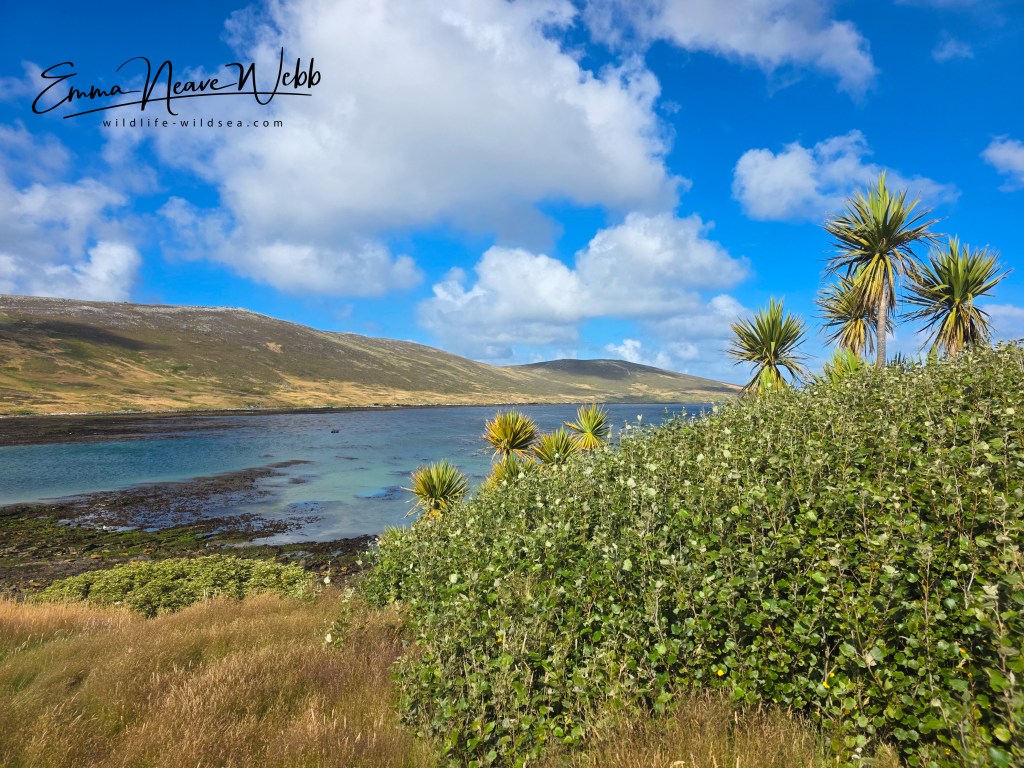
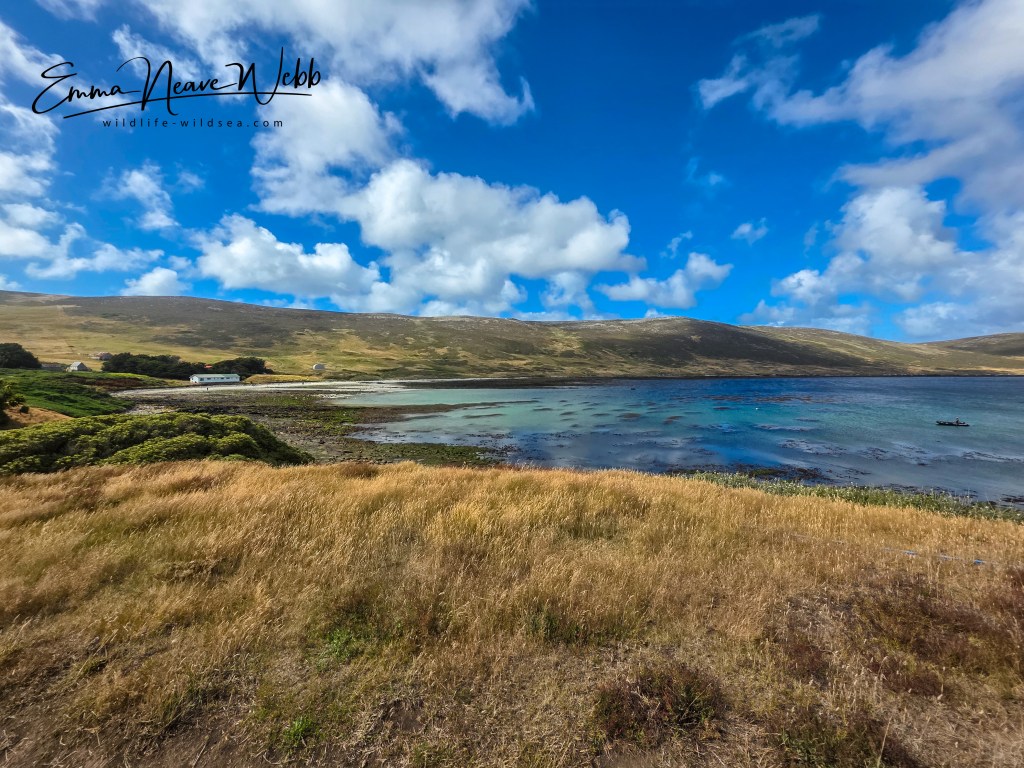
Carcass Island was our afternoon landing, and it had a hard act to follow. The morning had been given over to Saunders Island, which was brilliant and also thoroughly, comprehensively wet, the kind of morning that soaks you to the skin and leaves you grinning anyway. So there was no great expectation as we made the short crossing from Saunders Island into Byron Sound to anchor off Port Pattison. Yet, by the time we were ready to be ferried ashore onto Carcass, the weather had, to borrow the Fast Show’s line, turned out nice again. Warm, sunny and still. A genuinely delightful afternoon, and in this corner of the South Atlantic Ocean that is not something to take for granted. The name ‘Carcass Island’ does the place no favours at all, conjuring rotting whales or some grim shore of bleached bones. In fact it is named after HMS Carcass, the Royal Navy ship whose crew surveyed the island in 1766.
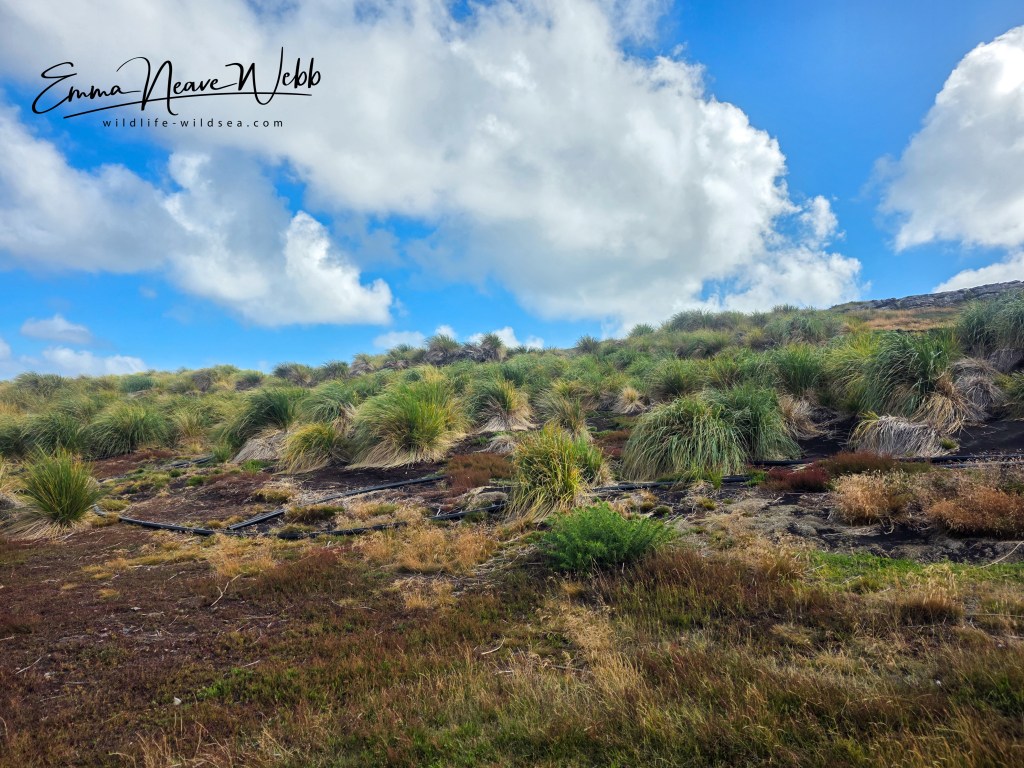
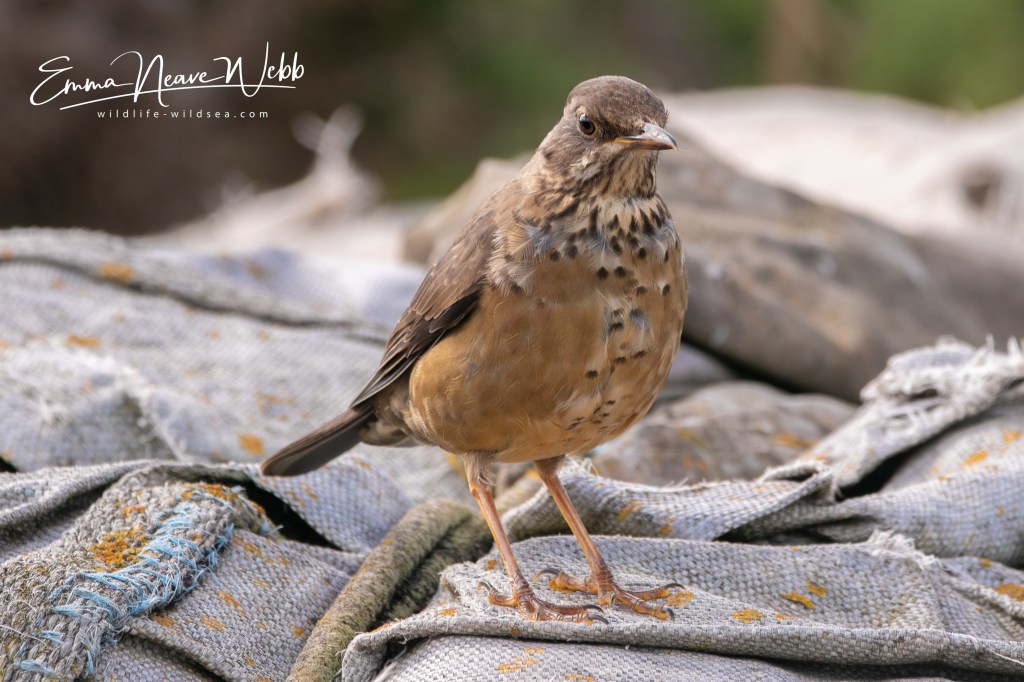
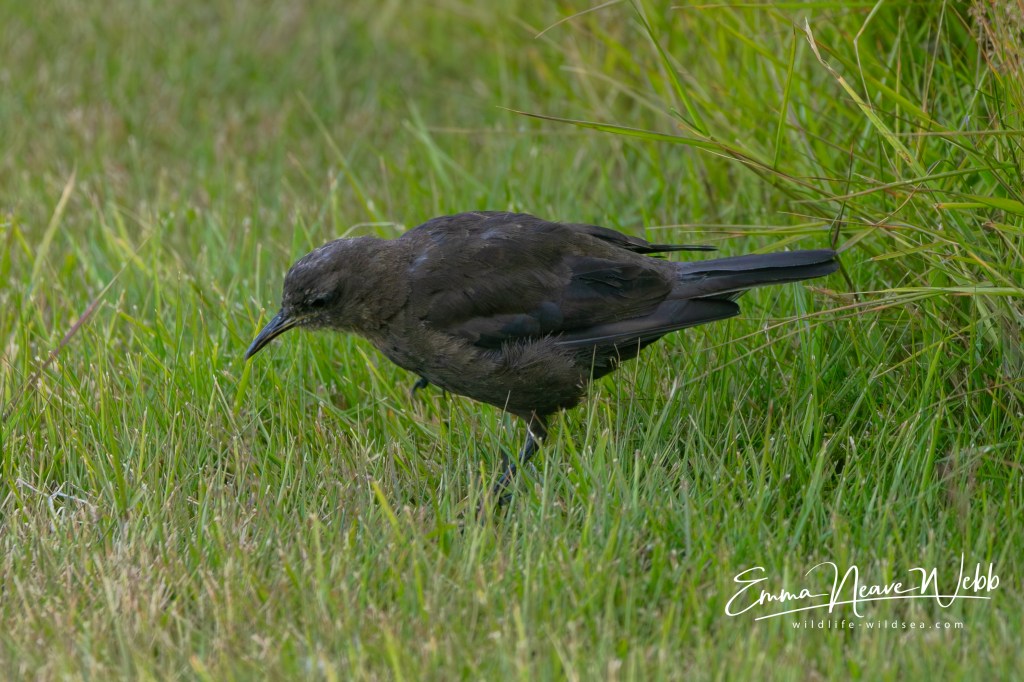
The first bird I saw as I stepped off the zodiac was an Austral thrush (Turdus falcklandii), or more properly the Falkland thrush, the endemic subspecies, hopping about on the grass as if it had come down to the landing to see who we were.
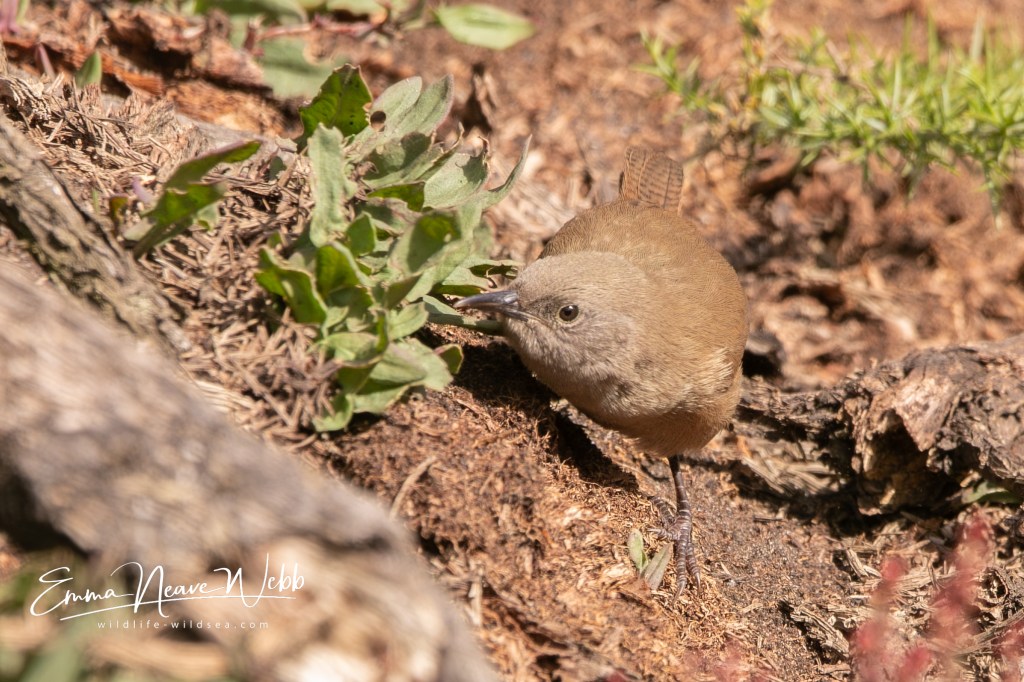
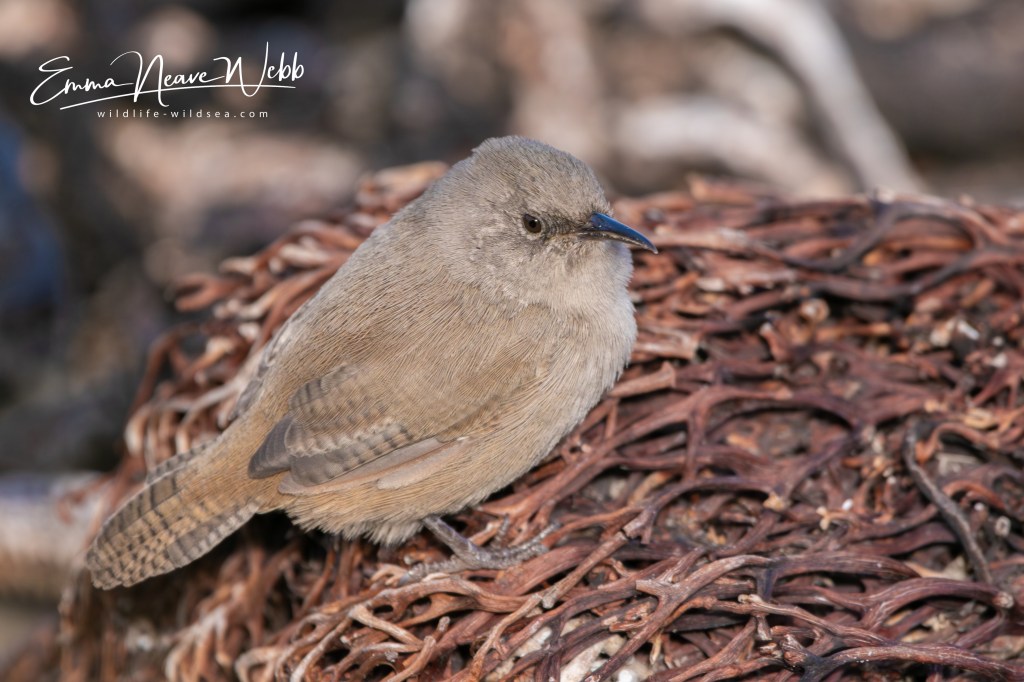
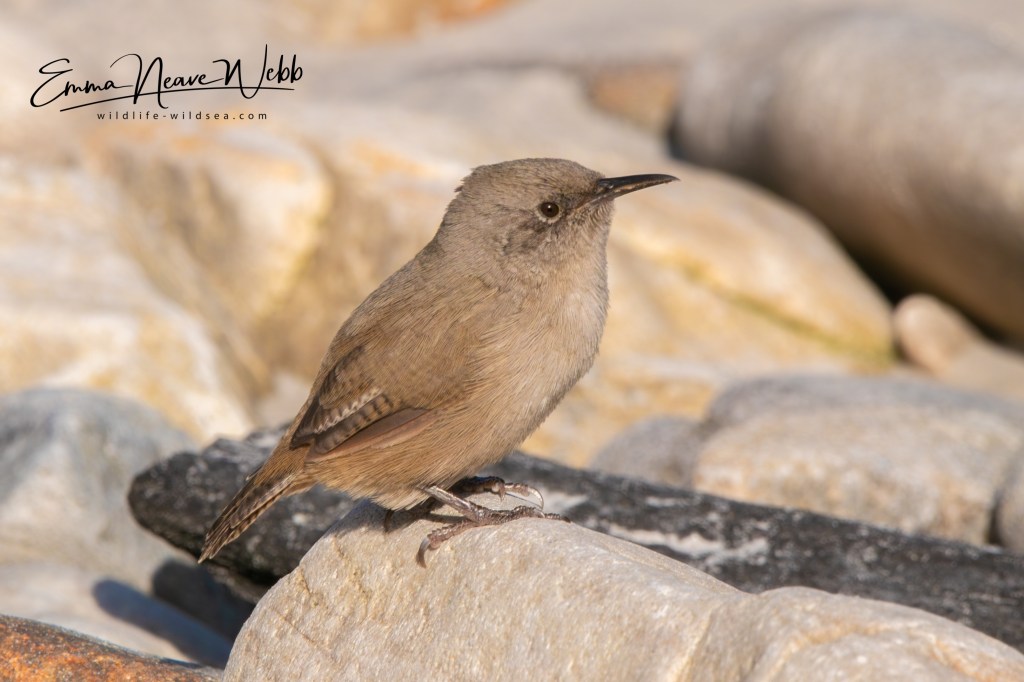
Then, almost at once, the bird I had most been hoping for. Cobb’s wren (Troglodytes cobbi) is a tiny thing, twelve or thirteen centimetres of dark chestnut and grey-brown with a fine, slightly downcurved bill, and it is found nowhere else on Earth but the Falkland Islands. Even here it clings on only on a handful of islands, the ones that have stayed free of rats, mice and cats, because it feeds and nests down at ground level and disappears wherever predators get ashore. Carcass is one of its strongholds, and rather fittingly it is also where the bird was first found. On 28 July 1908, on this very island, Arthur Cobb shot one using rice as the charge, and the skin travelled to the Natural History Museum in London, where it was studied and described as a new species. For years it was dismissed as merely a local form of the house wren, until in 1993 it was confirmed as a full species and one of only two birds endemic to the Falkland Islands, alongside the Falkland flightless steamer duck (we were to see both on Carcass Island). To watch its descendants working the undergrowth in the same place, well over a century on, felt like a small privilege.
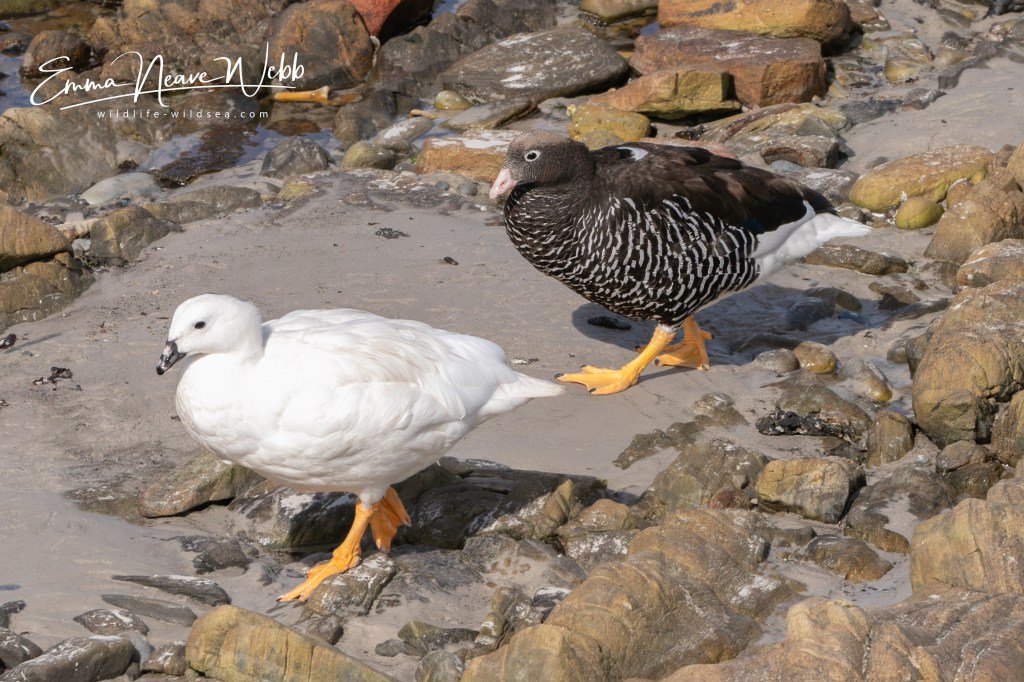
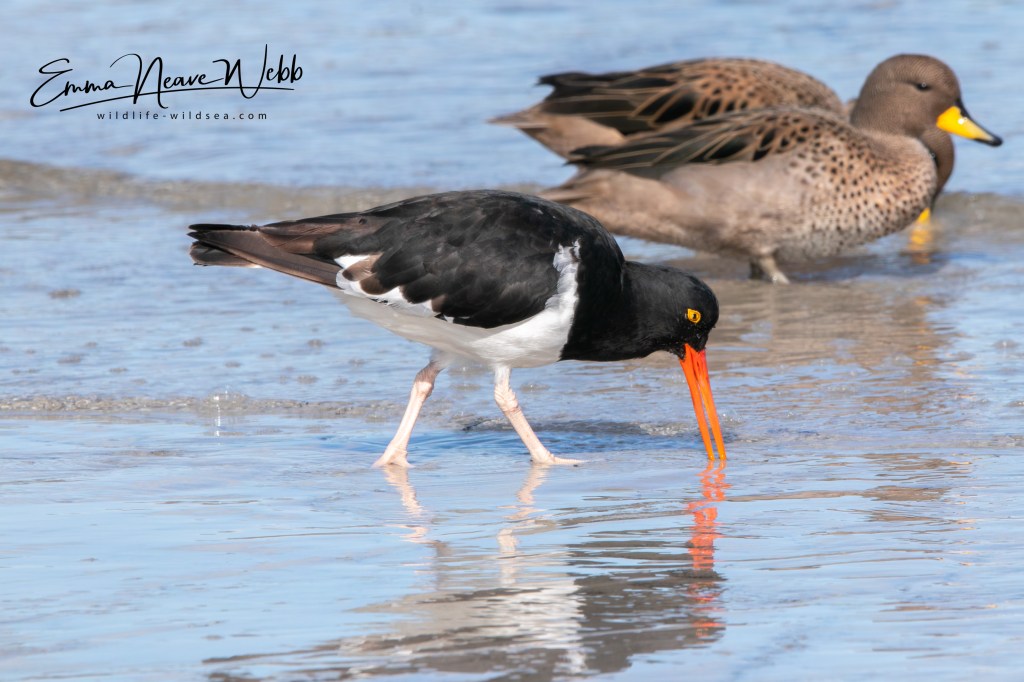
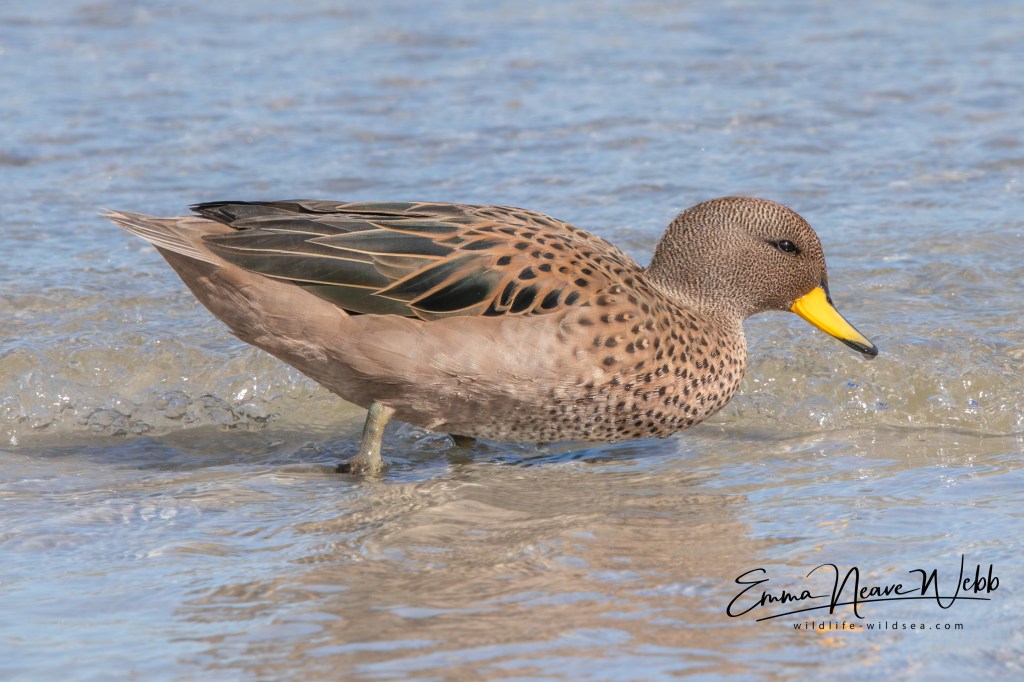
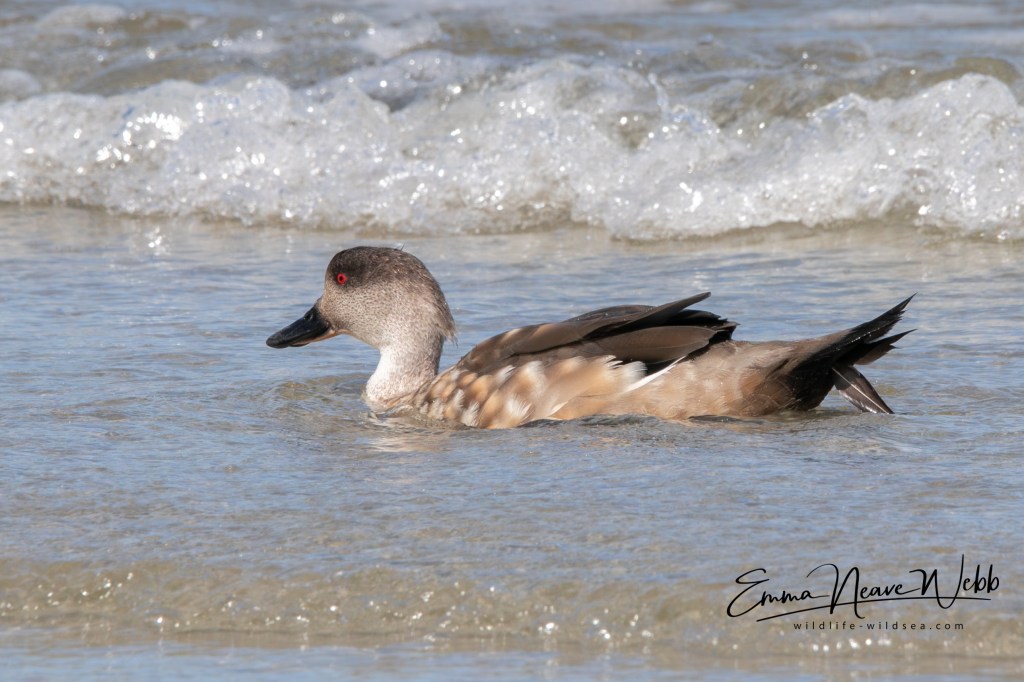
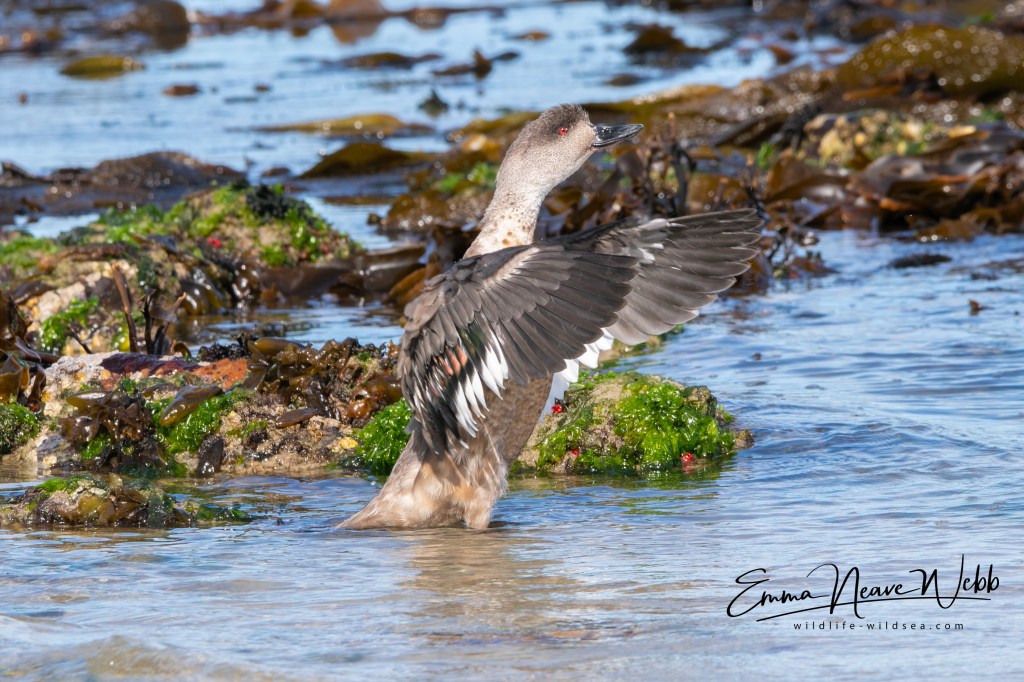
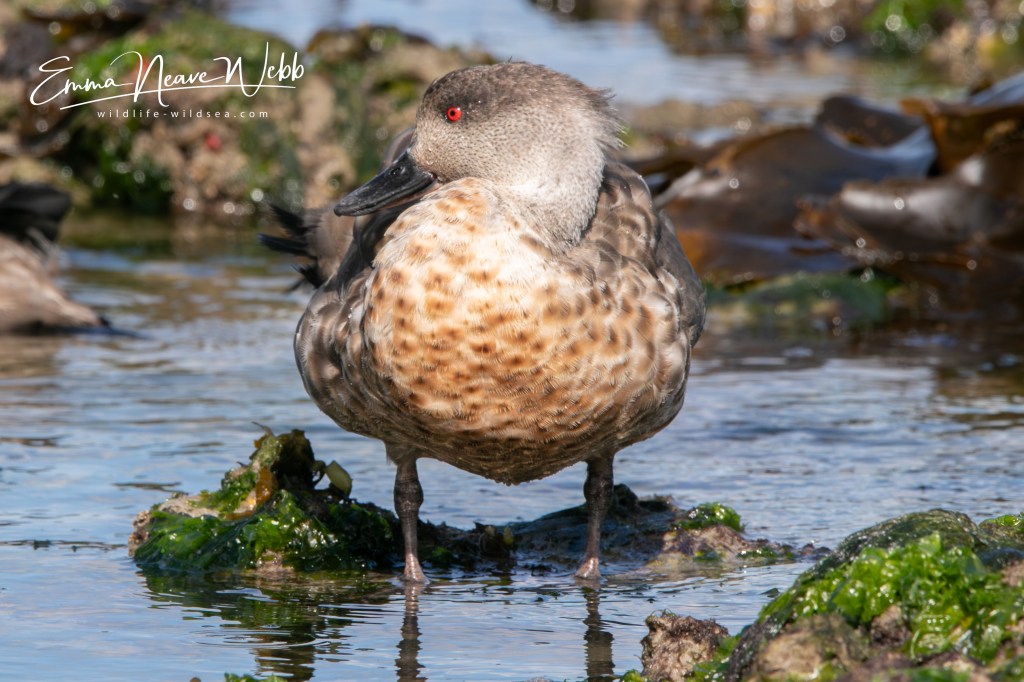
Down on the beach the waterfowl were out in force and entirely unbothered by our presence, carrying on their routine as though we simply were not there. Kelp geese (Chloephaga hybrida), the males startlingly white against the dark shoreline, yellow-billed teal (Anas flavirostris), crested ducks (Lophonetta specularioides) and Magellanic oystercatchers (Haematopus leucopodus) were all about in good numbers, feeding and going about the day at their own pace completely unbothered by their human visitors.
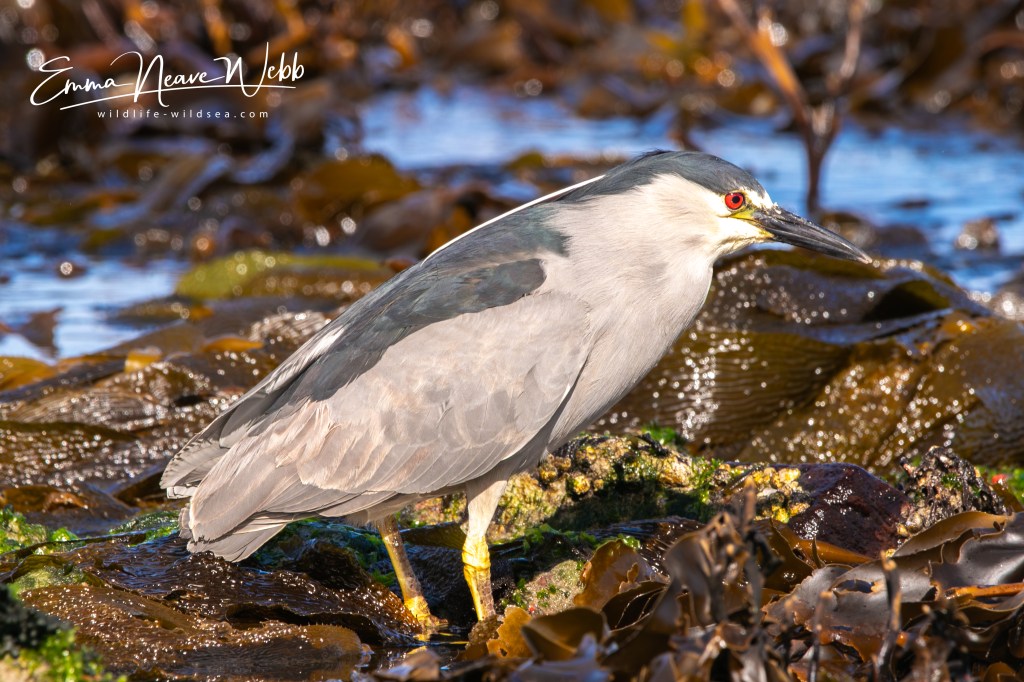
Several black-crowned night herons (Nycticorax nycticorax), known in the Falkland Islands as quarks, stood statuesque along the shore in various spots, each one waiting with enormous patience for a tasty morsel to blunder within reach. Some were more successful than others.
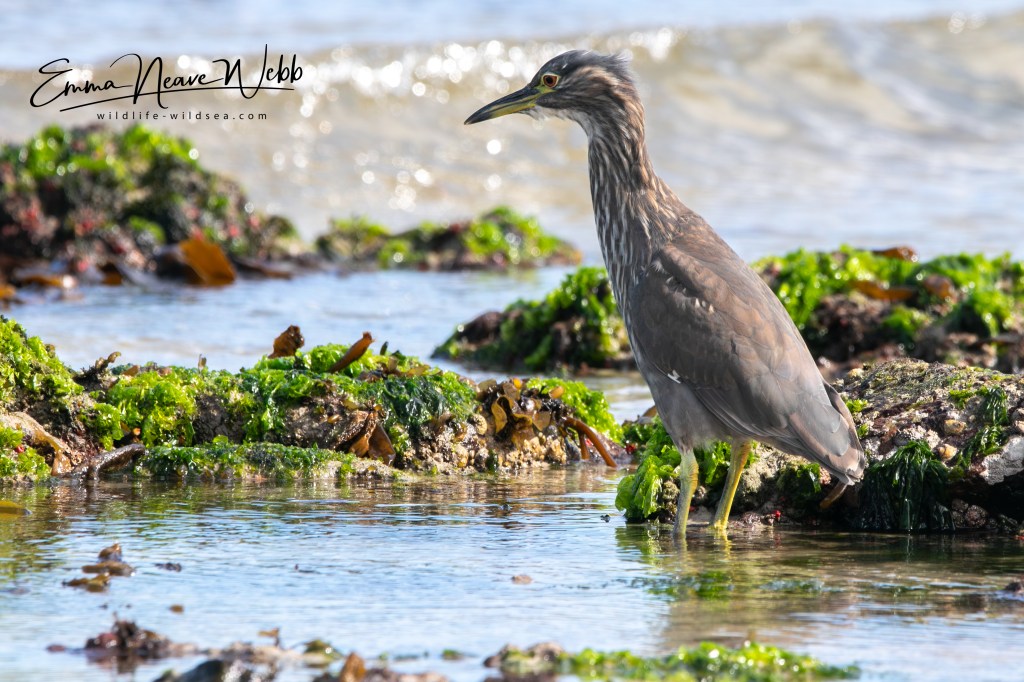
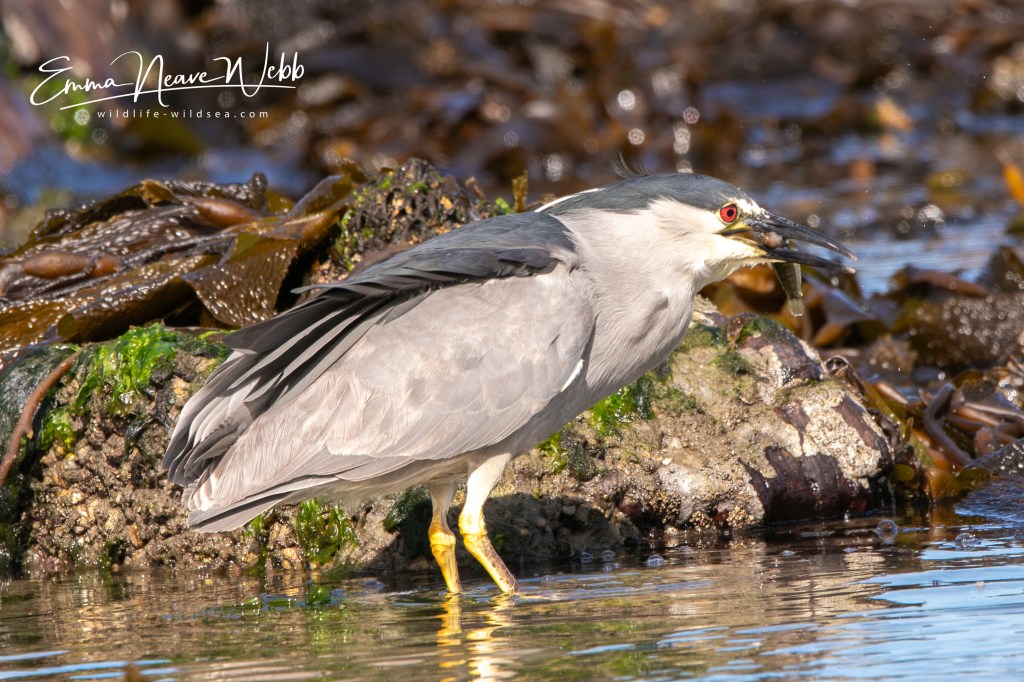
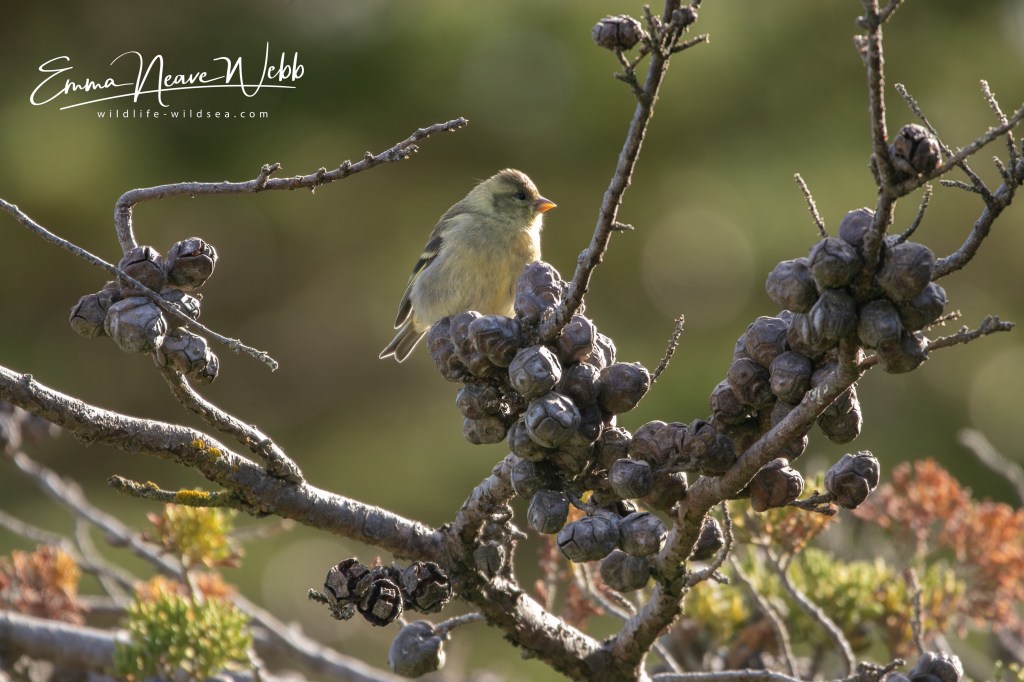
Up in the trees behind the beach, a small flock of black-chinned siskins (Spinus barbatus) were busy flitting and feeding and generally being a pain, silhouetted against the bright sky and refusing to settle anywhere useful for a decent photograph.
And there, back down on the beach, was another Cobb’s wren, every bit as fearless as the first, hopping about among the boulders within a few feet of people who walked straight past without ever noticing it. That was the thing that stayed with me. Here was the bird of the island, found nowhere else in the world, going about its business in plain sight, and hardly anyone paid it any attention.
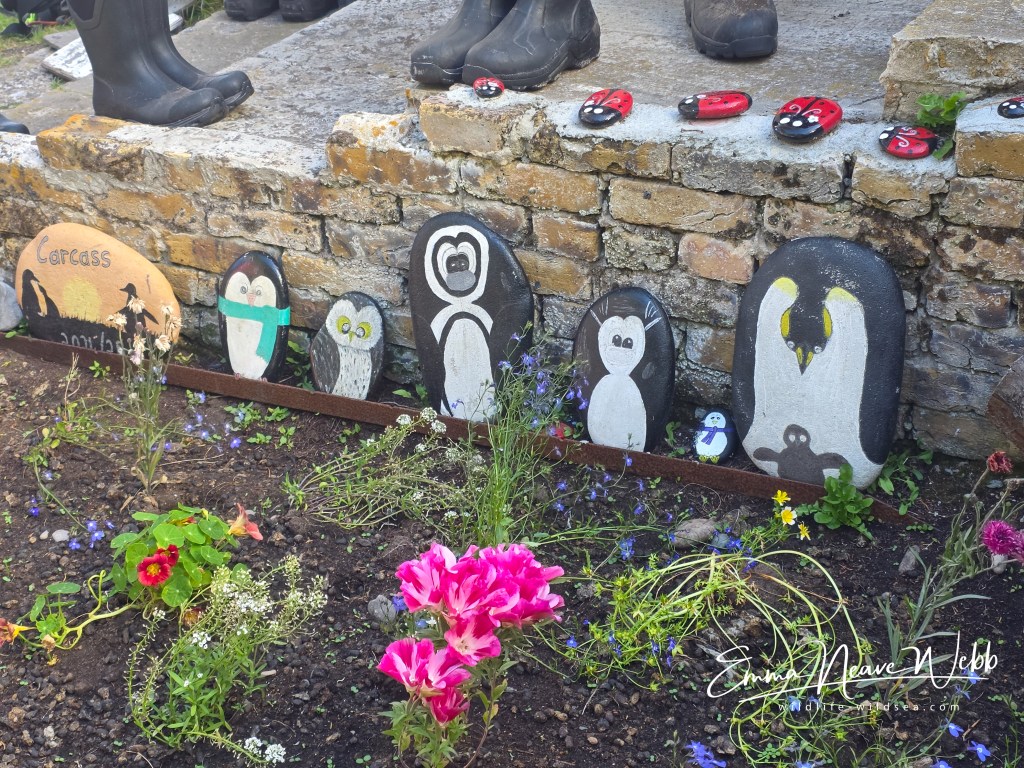
By way of a break there was tea and cake. The islanders laid on a spread of home bakes that was, quite rightly, the stuff of legend, and it would have been rude not to do it justice. Standing there with a mug of coffee in one hand and a slab of something excellent in the other, watching the wildlife do exactly as it pleased, it struck me that it was not so very far from home. Orkney does the very same trick: wildlife, big skies and outstanding home baking, all served up in a single afternoon.
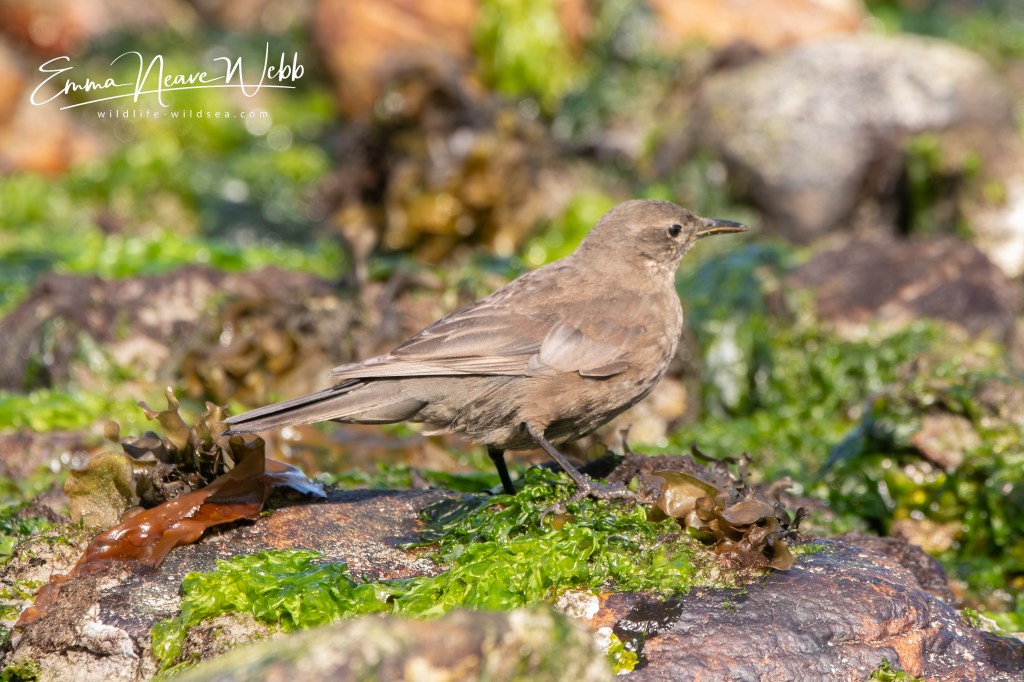
The tussacbirds were everywhere too -pretty much everywhere you looked, there was one working the shore, flying past or in the grass. Properly the blackish cinclodes (Cinclodes antarcticus), one was working the grass right by the tea and cake stop, entirely without fear, and at one point practically running over my feet.
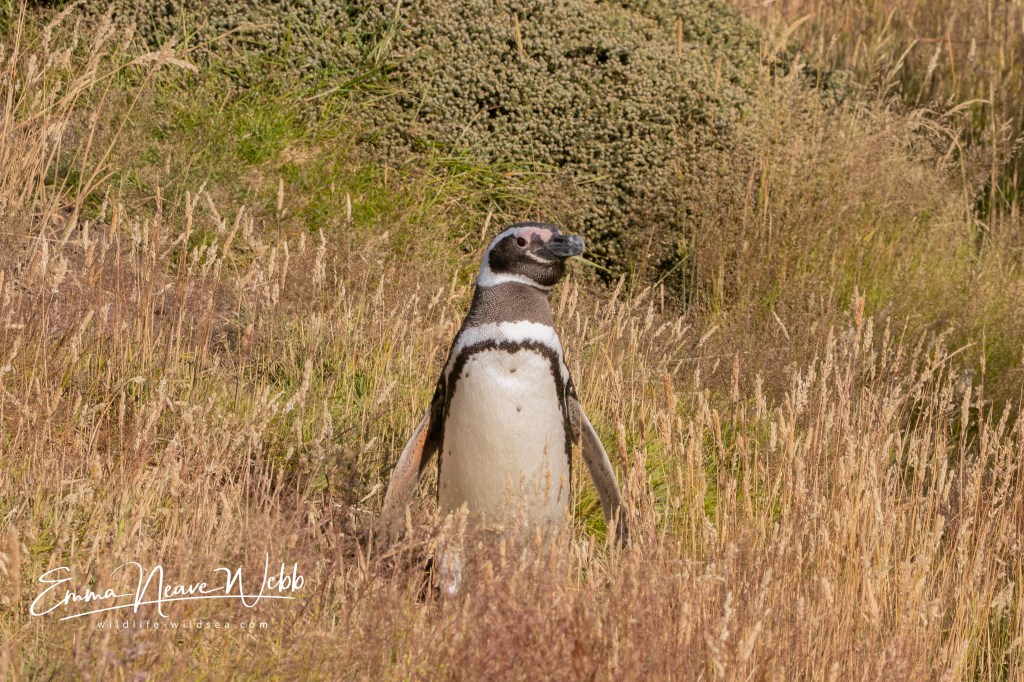
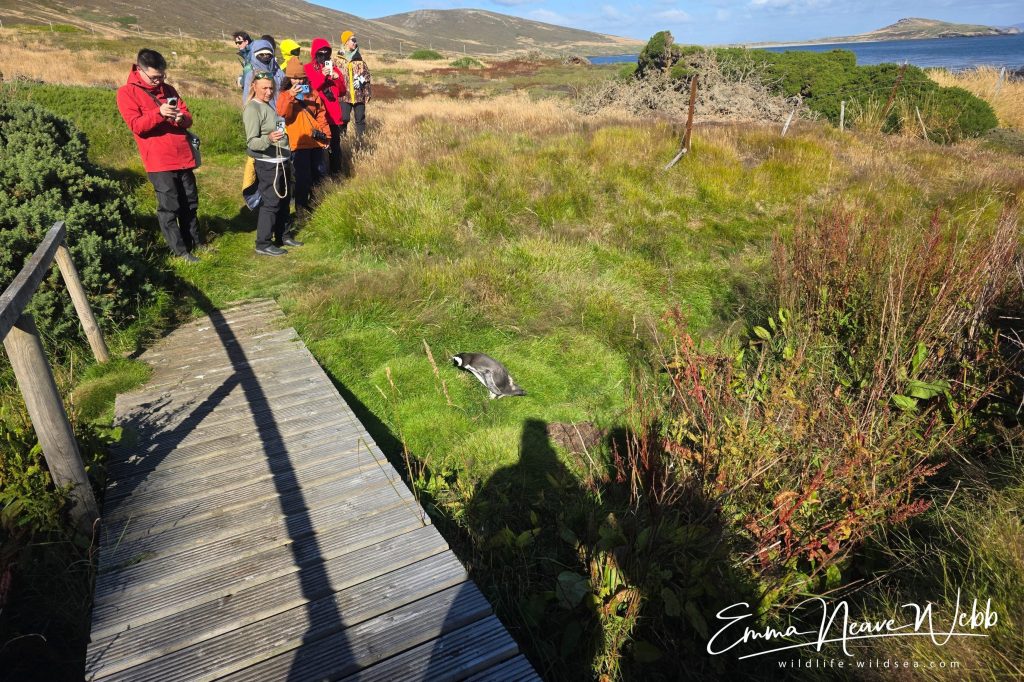
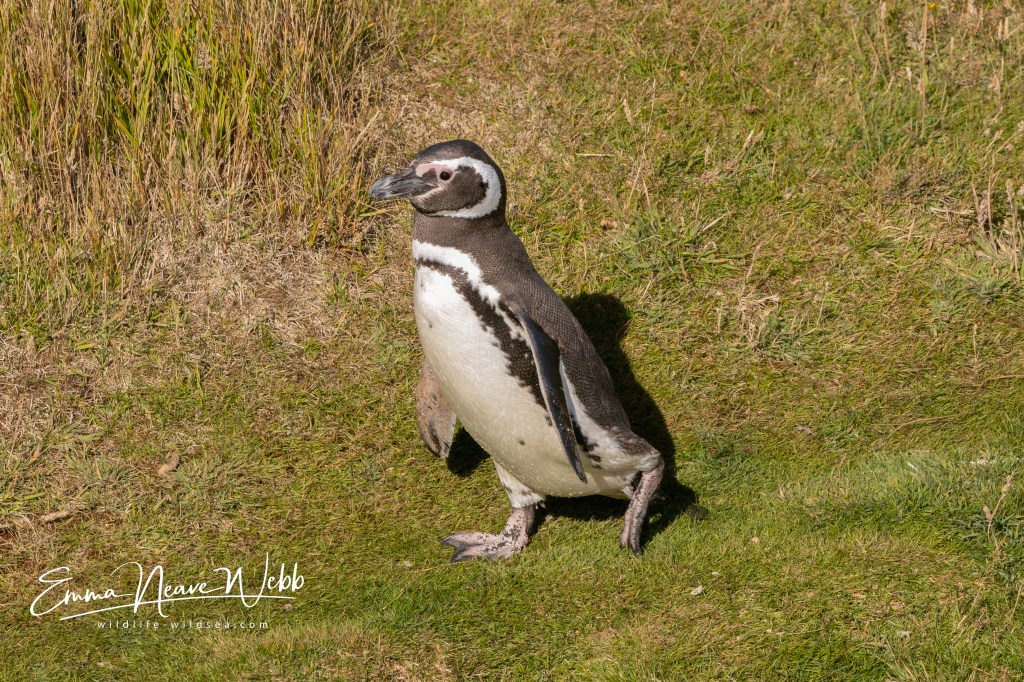
While we ate, a lone Magellanic penguin (Spheniscus magellanicus) was making the long haul up from the shore to its burrow, and found a scattering of people in its path. It stopped. It looked at us, then at the track, then at us again, visibly weighing up whether this was worth the bother. After a good deal of dithering it evidently decided it was, lowered its head and ploughed on regardless, with the air of a creature that had somewhere to be and no further time for nonsense.
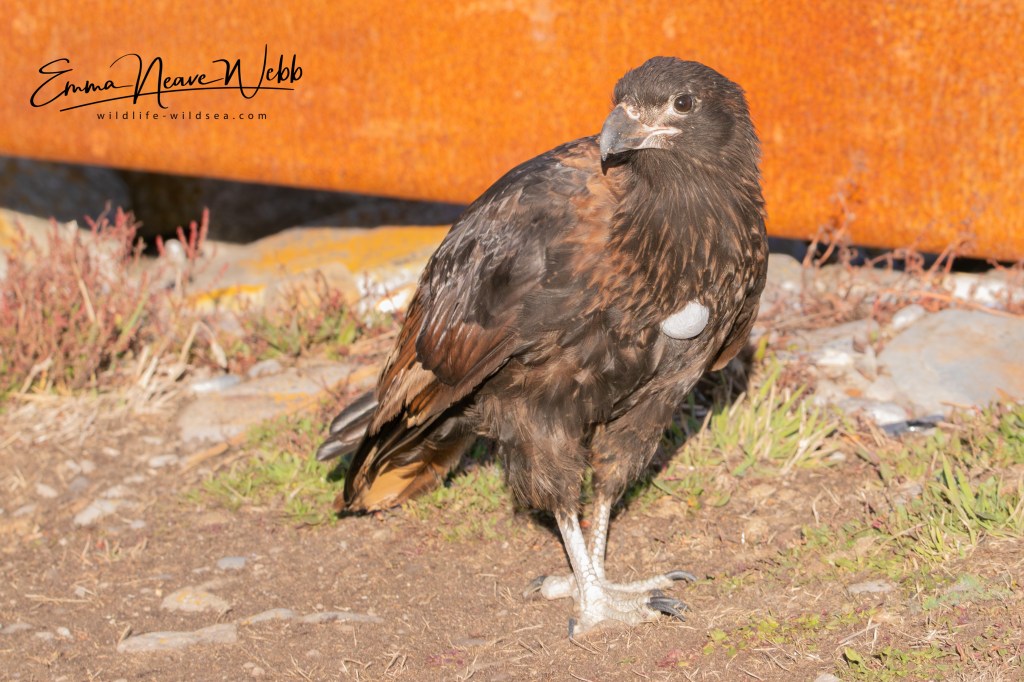
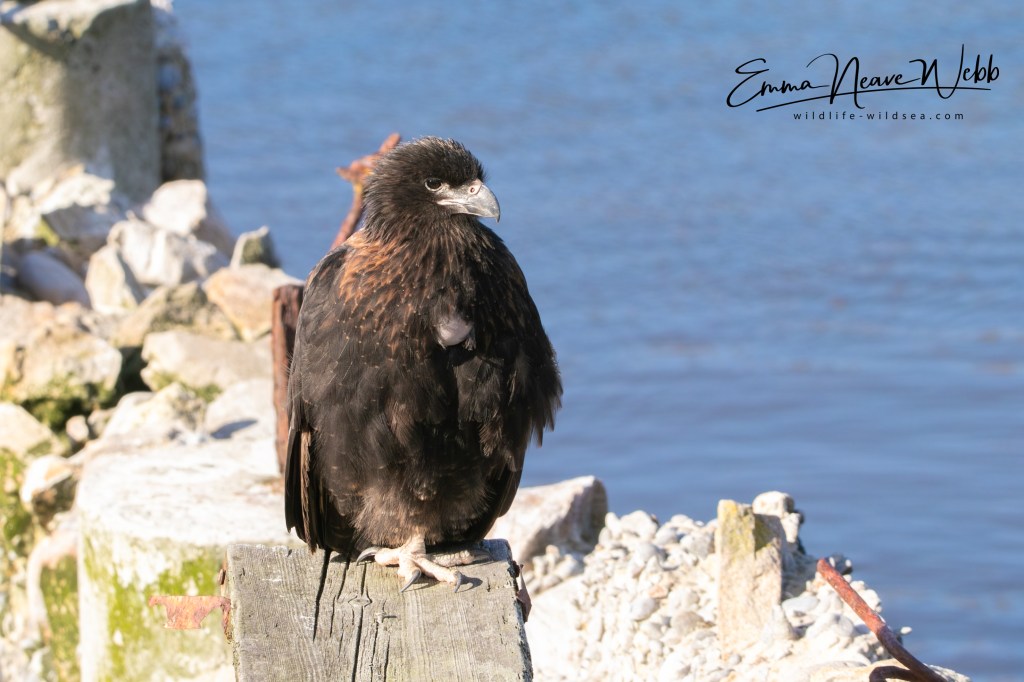
There was no getting away from the johnny rooks. Wherever we went on Carcass island, at least one was watching. More formally known as the striated caracara (Phalcoboenus australis), they are a highly intelligent, relentlessly inquisitive bird of prey with a restricted range, breeding on the outer islands of the Falkland Islands and on a scatter of islands off the far south of Argentina and Chile. The IUCN assesses it as Near Threatened, with a global population estimated at between 2,500 and 5,000 mature individuals and thought to be declining.
It was not always confined to the margins. Johnny rooks were once widespread across the Falkland Islands, until sheep farmers culled them heavily in the early twentieth century and drove them out to the remote outer islands, extirpating them altogether from East Falkland. They are protected by law now, and cannot be killed without permission from the Falkland Islands Government, and under that protection they have recovered to somewhere in the region of 350 to 500 breeding pairs.
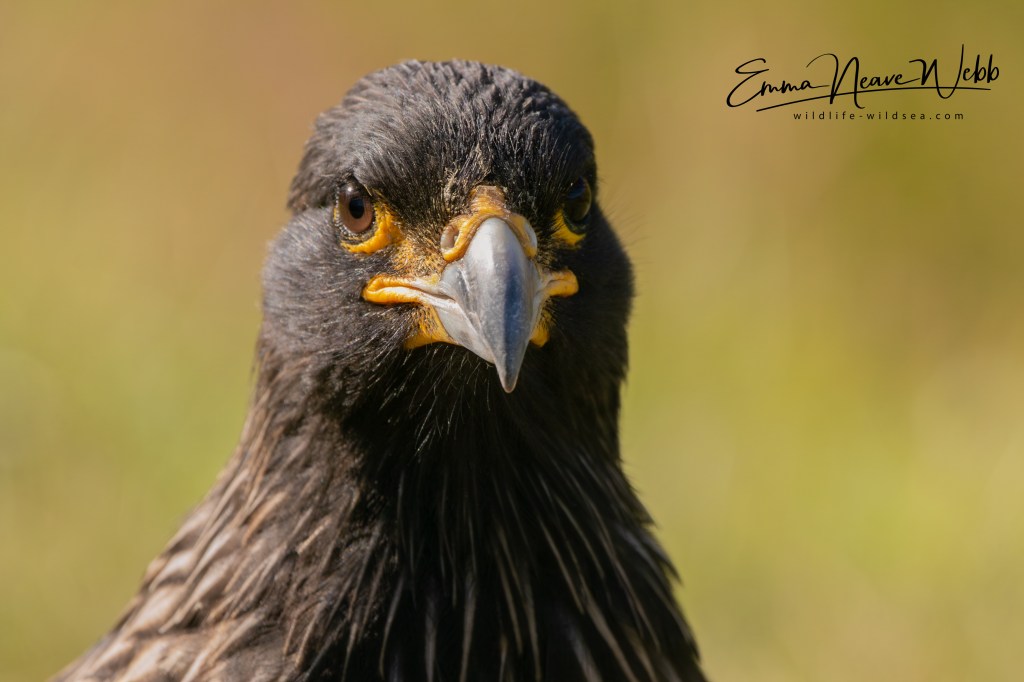
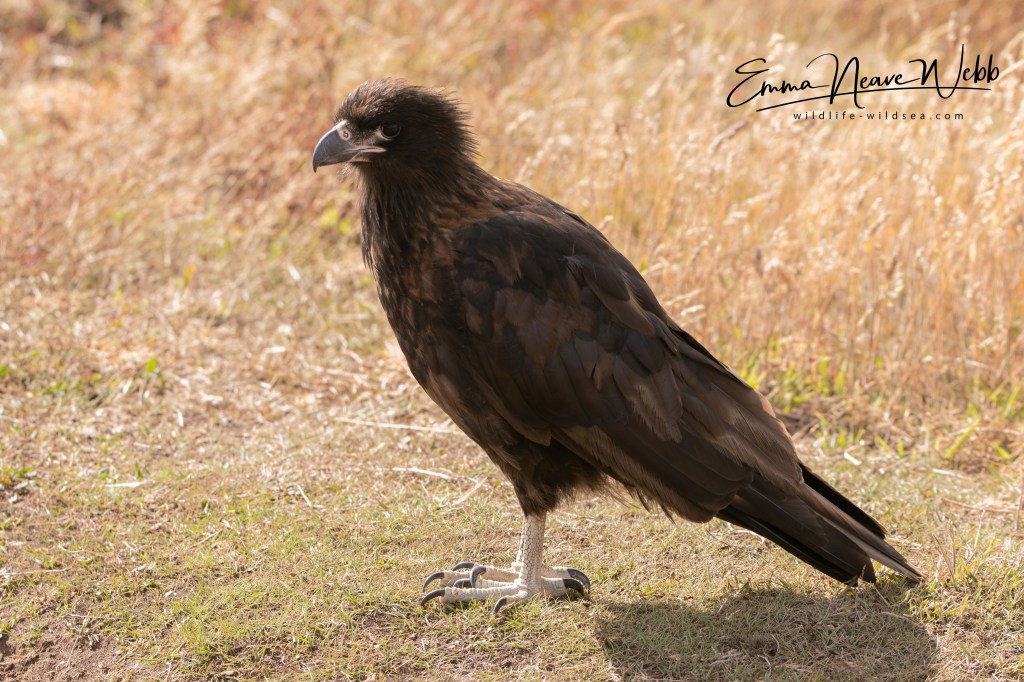
Which is a long way of saying that these birds have every reason to be wary of people and are not remotely. Several came to look us over, bold and curious and entirely convinced that whatever you were holding might be edible or, better yet, worth stealing. The detail I kept catching in the photographs afterwards was a pale, greyish-white bulge low on the breast, which at first glance looks unnervingly like a huge tick fastened to the bird. It is nothing of the sort. It is the crop, distended with a recent meal, a reminder that these are birds that gorge whenever they can on whatever the tide and the colonies leave behind.
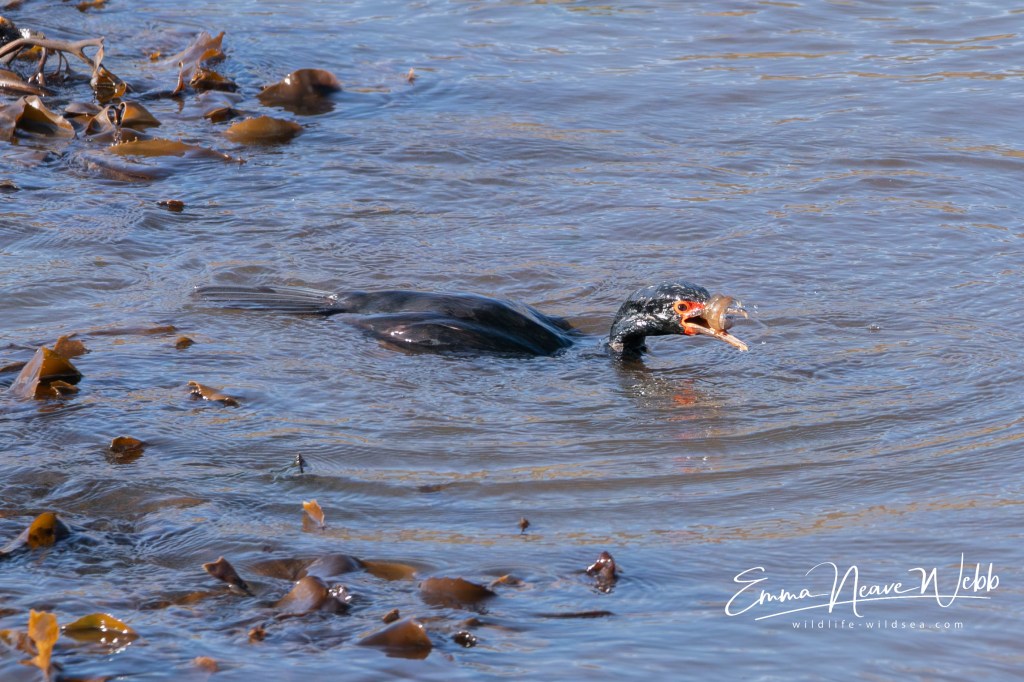
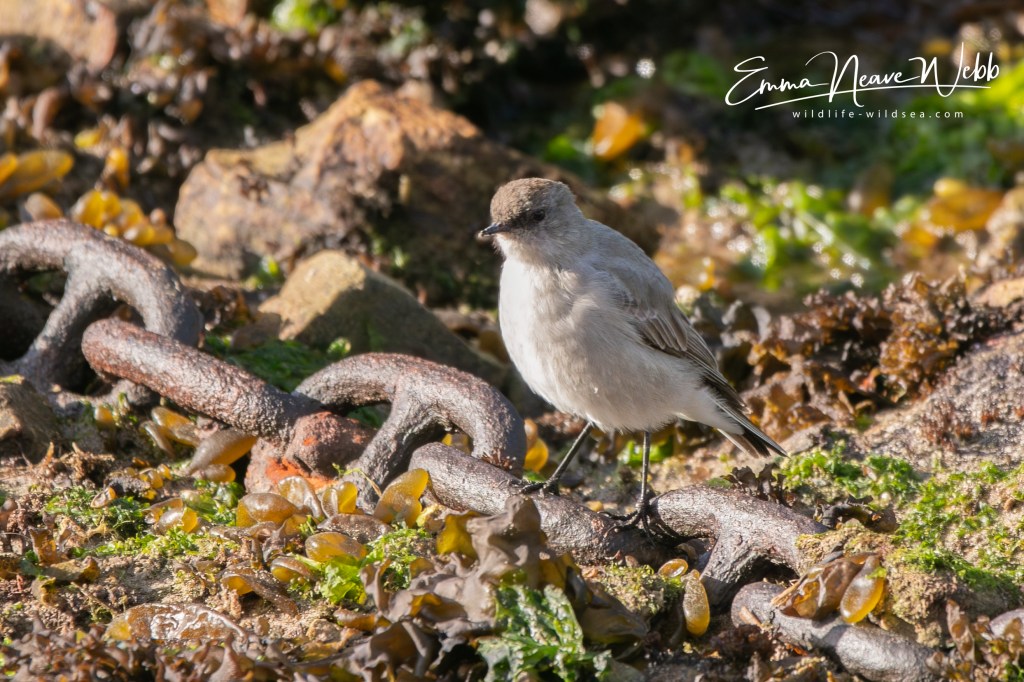
All too soon it was time to head back to the zodiacs. A rock shag (Leucocarbo magellanicus), also known as the Magellanic cormorant, was feeding in the shallows right by the landing site, smart in black and white with that bare red face. The last bird I saw, skipping along the beach as we climbed back aboard the zodiac, was a dark-faced ground tyrant (Muscisaxicola maclovianus), a neat little flycatcher seeing us off as tidily as the thrush had welcomed us in. We left warmed through in a place that rarely allows it, full of cake, and trailing the quiet knowledge that the bird of the island, found nowhere else on Earth, had gone about its afternoon in plain sight while most of the boat looked straight past it. Carcass Island had, after all, turned out nice again.
The day had one more thing to give. As we sailed out from Carcass Island and threaded our way back through the islands towards Stanley, the daily debrief was under way, and we had a close encounter with three sei whales (Balaenoptera borealis) right off the bow. There was a very good reason we always sat behind the screen at the front observatory windows during debriefs, looking out rather than in. This was it.
I have to include something here that I only learned after we returned home, and that has stayed with me since. On the day we were at Carcass Island, a gentoo penguin carcass was picked up and tested for HPAI. Not from the beach we visited, but elsewhere on the island. The result, confirmed after we had left, was positive: the first confirmed case of highly pathogenic avian influenza in gentoo penguins at Carcass Island. Everywhere we went we were up close to the wildlife, and the risk was very, very real, something I was very conscious of throughout. The biosecurity and the rules in place to mitigate it were strict, and Oceanwide Expeditions were completely on top of it, every landing, every day. It served as a stark reminder, if one were needed, of how close the threat was, and why every boot wash and disinfection protocol mattered and why nothing other than the soles of our boots was allowed to touch the ground at any time.
More to come….
Wildlife Wild Sea
📍 Carcass Island, Falkland Islands, 18th February 2026



Leave a Reply