
Emma Neave-Webb, MSc, mem.MBA
A self-confessed ‘whale-oholic’, Emma has been working with cetaceans since 2004 when she started with the then Biscay Dolphin Research Programme (MARINElife) as a surveyor. Since then, she has worked all over the world studying cetaceans and seabirds, accumulating over 300,000 survey miles. Originally trained as a geologist, Emma is fascinated by the evolutionary history of whales and dolphins, and her diverse career has spanned work with NGOs as well as the oil, gas and renewables industries.
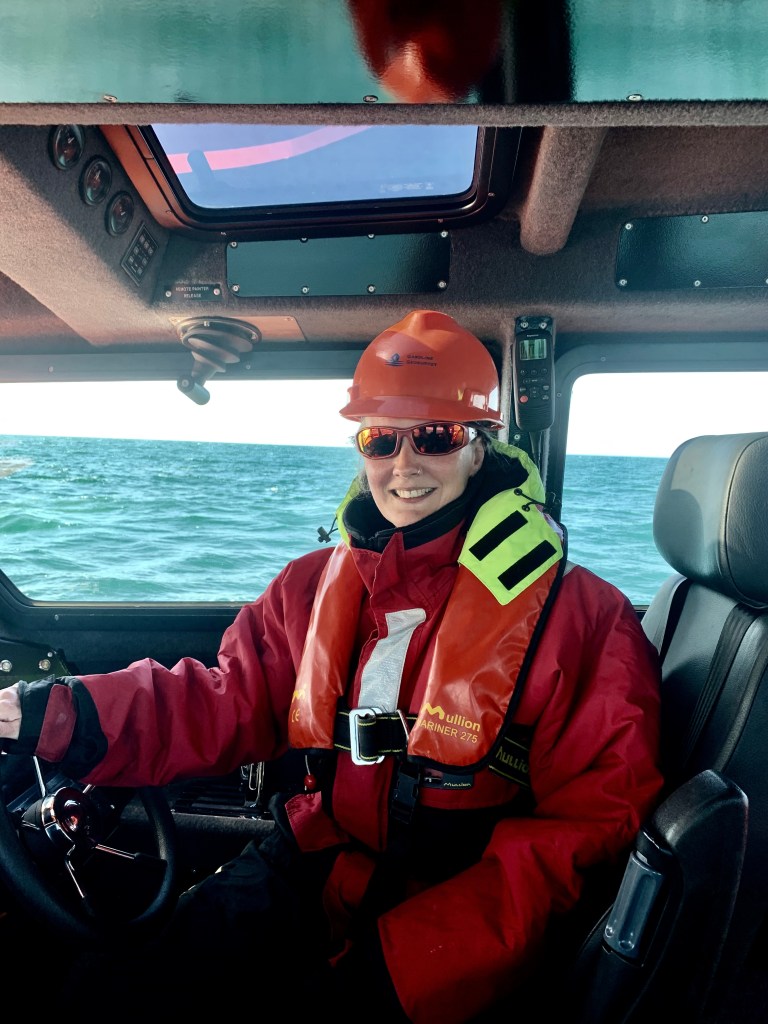
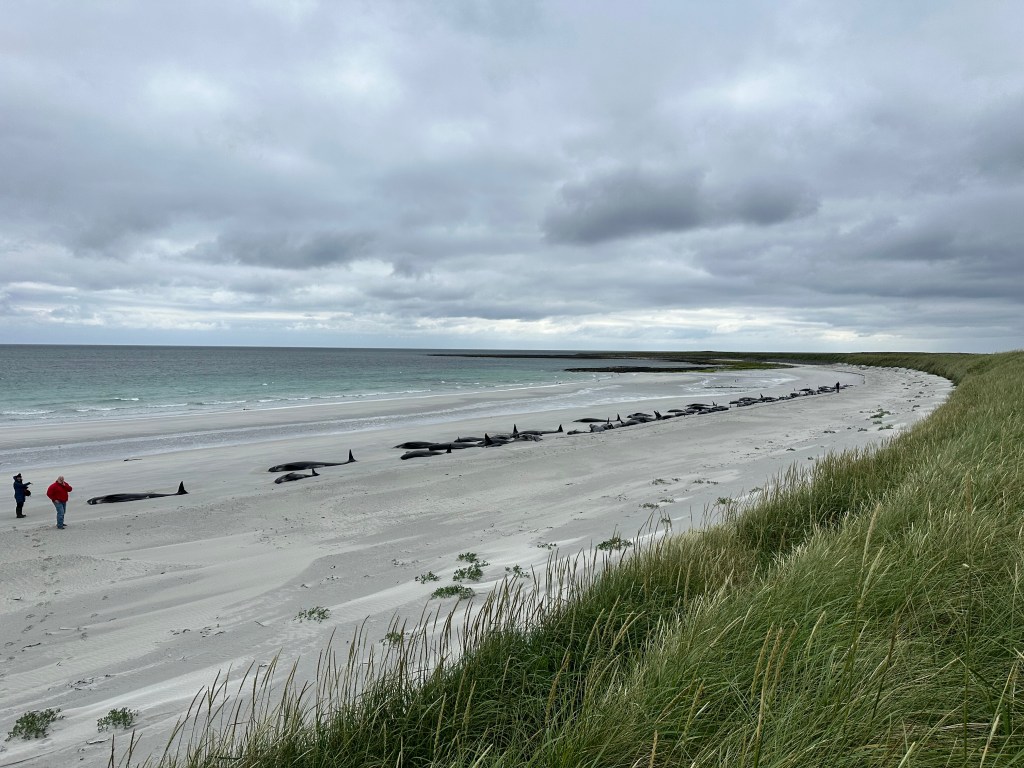
In the UK, Emma has been involved in strandings responses since 2004 and has led several high-profile operations, including the UK’s only successful killer whale rescue in early 2021 and the response to the largest mass stranding in nearly 100 years, both on her home island of Sanday, Orkney. As a senior volunteer with the Scottish Marine Animal Strandings Scheme (SMASS), she is also one of only five volunteers in the UK trained to carry out advanced sampling and diagnostic dissection of cetaceans.
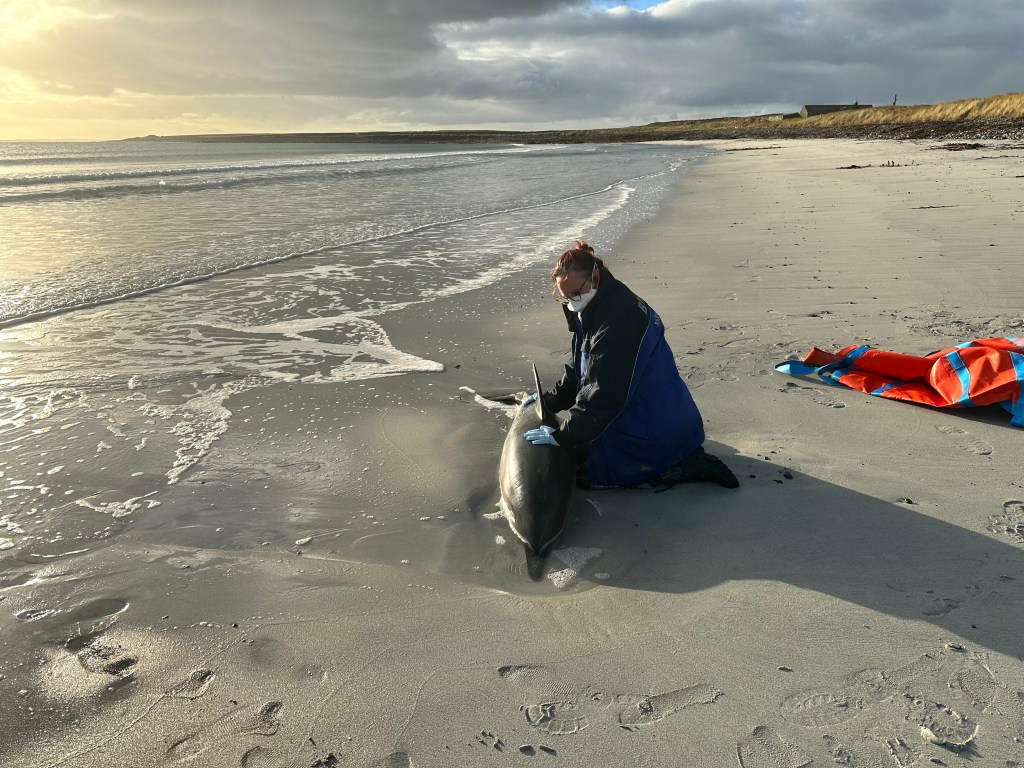
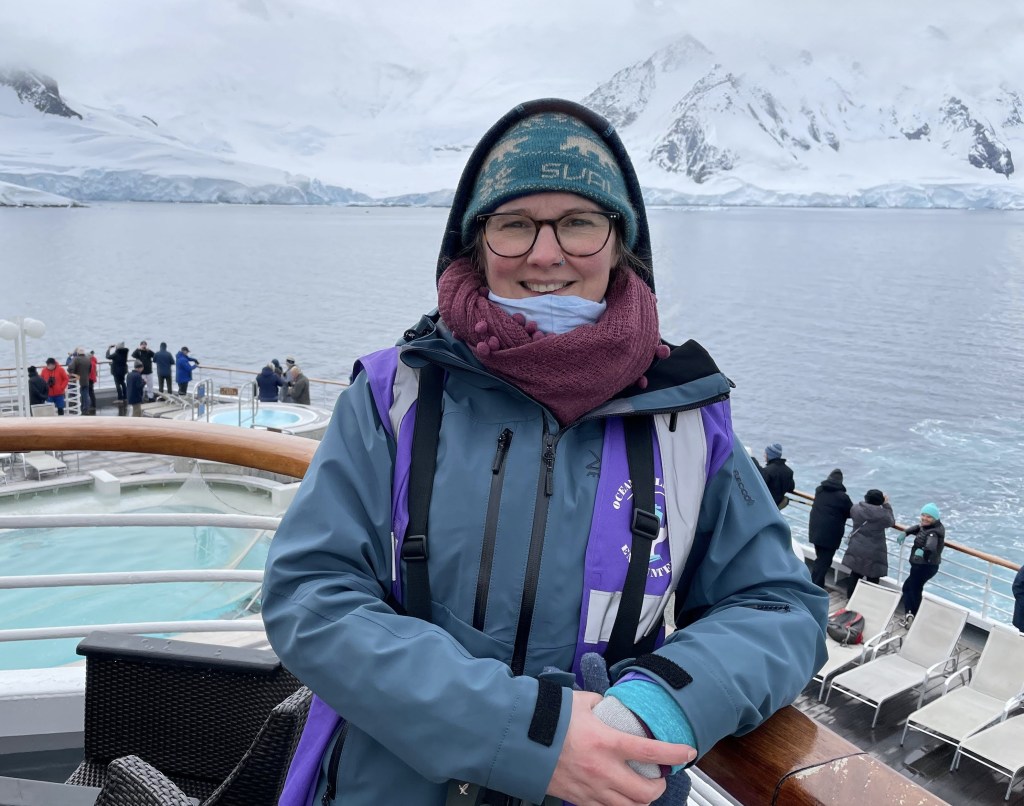
A professional member of the Marine Biological Association of the United Kingdom, Emma is also an inspiring educator and speaker. Having worked as a wildlife officer and education ranger, she brings extensive experience to her role with the Ocean Wildlife Encounters team, providing marine wildlife-themed enrichment programmes for cruise companies through lectures, deck watches, workshops, and interactive sessions.
 Wildlife, Wild Sea